


SANITARY SEWER OVERFLOWS
WHAT CAUSES SANITARY SEWER OVERFLOWS?
Sanitary sewer overflows can occur for a variety of reasons including:
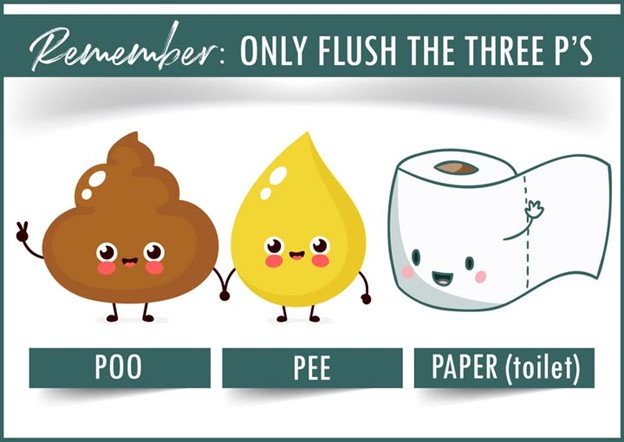
1) Blockage: Sewer lines can become blocked by debris such as grease, fats, and oils (FOG), as well as wipes (including flushable wipes), tampons, and other non-flushable items. When a sewer line becomes blocked, sewage can back up and overflow from manholes and other openings in the system.
2) Inflow and infiltration: Sewer systems can also be impacted by inflow and infiltration (I&I). I&I refers to the entry of stormwater and groundwater into sanitary sewer lines. I&I can occur through cracks and defects in sewer lines, as well as through improperly connected downspouts and sump pumps. During heavy rainstorms, I&I can overload sewer systems and lead to overflows.
3) Equipment failure: Sewer overflows can also be caused by equipment failure, such as power outages or pump failures.
IMPACTS OF SEWER OVERFLOWS
Sewer overflows can have a significant impact on public health and the environment. Untreated sewage contains harmful bacteria and viruses that increase the risk for diseases, including gastroenteritis, hepatitis A, and typhoid fever. Sewer overflows can also pollute waterways and damage aquatic ecosystems.
WHAT TO DO IF YOU SEE A SEWER OVERFLOW?
Report any water overflowing from a manhole to WLSSD as soon as possible and avoid contact with any sewer overflow due to the potential for exposure to disease-causing organisms. Water from sewers may also lift and move manhole covers creating dangerous fall hazards when the overflow ceases. WLSSD staff can be contacted at 218-722-3336 24-hours per day to report overflowing manholes or any open manhole.
HOW TO PREVENT SEWER OVERFLOWS
There are a number of things that you can do to help prevent sewer overflows:
1) Dispose of FOG and other non-flushable items) properly. FOG and non-flushable items can clog sewer lines and lead to overflows.
2) Reduce your water usage. Conserving water helps to reduce the amount of stormwater and sewage that enters sewer systems.
3) Connect downspouts and sump pumps to storm drains, not sanitary sewers. Improperly connected downspouts and sump pumps can contribute to I&I and sewer overflows.
4) Support investment in sewer system maintenance and upgrades. Sewer systems are complex and require regular maintenance and upgrades to prevent overflows.
INFLOW AND INFILTRATION (I&I)
WHAT IS I&I?
Sanitary Sewer System
Wastewater from Rice Lake travels through the City’s sanitary sewer system to the WLSSD wastewater treatment facility that services many communities within its boundaries.
Inflow and Infiltration (I/I) is the excess flow of clear water into the City's sanitary sewer system.
Inflow is when clear water from illegal connections of sump pumps, downspouts, and foundation drains is channeled directly into sanitary sewer pipes.
Infiltration is when groundwater seeps into sewer pipes via cracks or leaky joints.
WHY IS I&I A PROBLEM?
Normally the sanitary sewer system works correctly and efficiently to carry wastewater to the WLSSD treatment facility. However, during heavy rainstorms or rapid snowmelt events, the sanitary sewers rapidly fill beyond their designed capacity. This occurs when I&I allows clear water to find its way into the sewers where it mixes with the untreated sewage. As a result, pipes become filled, and sewage backs up into the basements of private homes and businesses and eventually onto city streets. Much of the overflow ends up in the St. Louis River and Lake Superior.
WHERE DOES ALL THE WATER COME FROM?
The largest sources of inflow are individual homes and businesses. An average home can contribute as much as 1,400 gallons of inflow in a typical rainstorm or over a million gallons each year. Inflow is a direct cause of sewer overflows and basement backups.
Most homes built before 1970 were designed with drainage systems that are no longer acceptable. Many have foundation or roof drains that direct rainwater straight into the sanitary sewers. Some homes may have sump pump discharges directed to the sanitary sewer.
The largest sources of infiltration are private service lines that connect individual homes and businesses to the public sewer system. These lines are often cracked and leak as a result of poor design, installation, age, or maintenance.